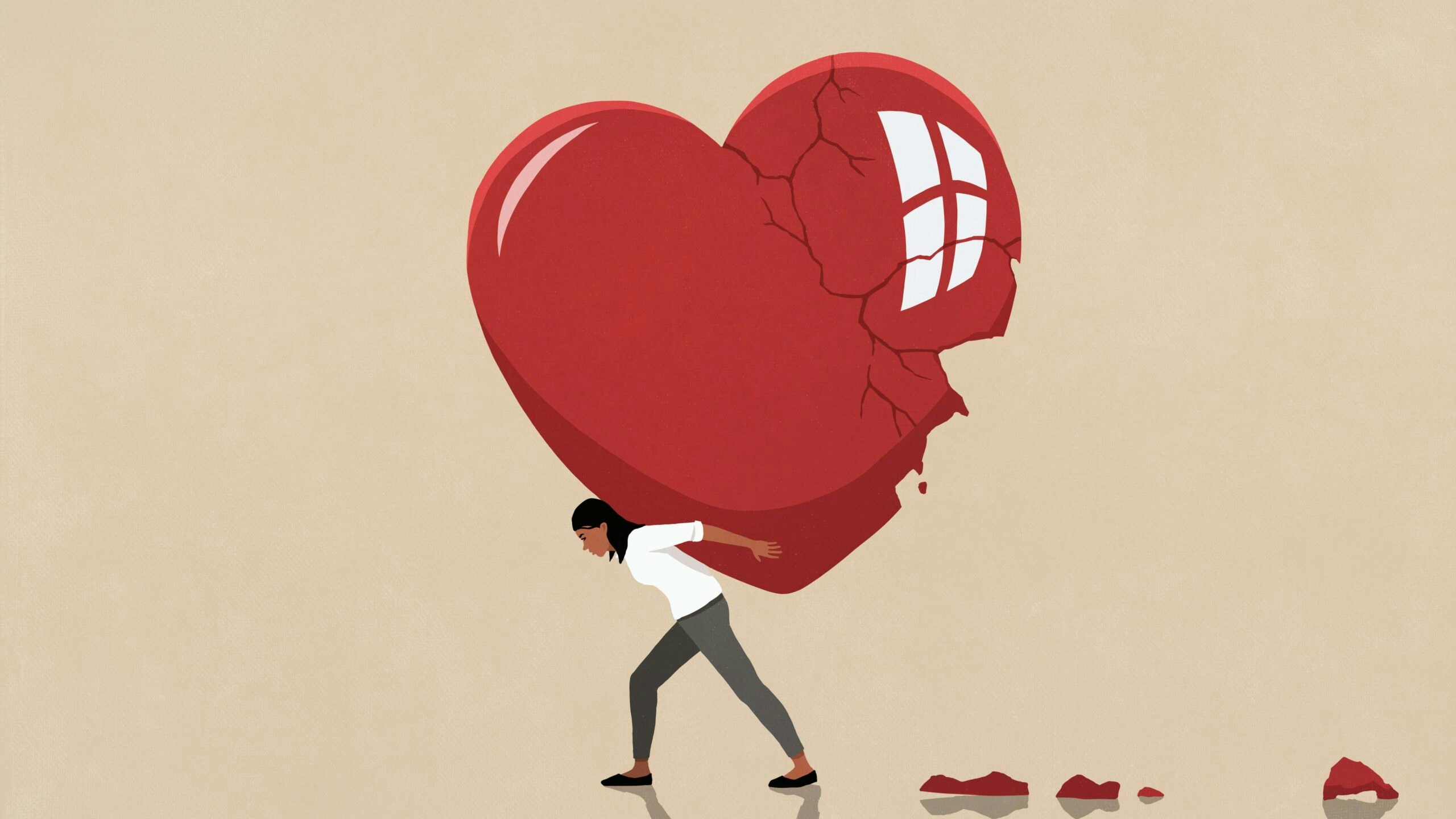
We call it heartbreak for good reason. If you’ve experienced a loss, you’ll know it’s like a physical pain.
‘The death of a loved one really can affect our health - and we should pay attention to our wellbeing during the grieving process,’ says Mary Frances O’Connor, author of The Grieving Body (HarperOne £12.99). ‘Bereavement doesn’t just affect our hearts metaphorically but can have concrete impacts on body systems ranging from the cardiovascular to the nervous and immune systems.’ Here’s what happens to the body during grief and how best to support yourself or a loved one through it.

Why it's important to look after your heart when grieving
Grief’s toll on the heart isn’t just poetic: it has medical consequences, especially in the days following a bereavement. ‘We know that there can be an acute cardiovascular response when a loved one dies,’ Mary-Frances explains. ‘The phenomenon known as “broken heart syndrome,” or takotsubo cardiomyopathy, is just one example. It's not a heart attack, but occurs when your heart muscle becomes suddenly weakened. It's triggered by an adrenaline storm of the body. The surge of stress hormones can trigger cardiac events ranging from takotsubo to heart attacks and hypertension.’
The risk is highest in the first 24 hours, and while the body is generally resilient, if you have potential heart attack symptoms, such as chest or jaw pain, shortness of breath or nausea and heartburn seriously and seek immediate medical attention. ‘Your heart doesn’t know it’s grief, it just knows it’s under stress,’ says Mary-Frances. ‘While we don’t wish to add to anxiety in the aftermath of a bereavement, the message is to talk to your doctor if you have any concerns, better to be safe for peace of mind.’
Mary-Frances suggests talking to your GP, especially if you already have risk factors for heart disease. Australian research has shown that a combination of low dose aspirin and beta-blockers lowers blood pressure and decreases symptoms of anxiety during bereavement.
‘We don’t use aspirin for primary prevention anymore, but under the situation of increased risk, talk to your doctor about what you can do, we don’t have the medical studies yet to make it a blanket recommendation,’ says Mary-Frances. ‘But prioritise a trip to your doctor to discuss if any medication may be helpful.’
The risk of heart issues usually lessens after the initial weeks and months ‘For most people after six months, the body is able to regulate and sort of return to homeostasis,’ says Mary-Frances. ‘But in some people, that stress continues to be a risk-factor, particularly if you already have a physical vulnerability.’
Why you catch more colds when grieving
Researchers at the University of Arizona found that the loss of a life partner affect the immune system of the bereaved. ‘Many people in grief notice they catch colds or infections more easily after a loss’ says Mary-Frances. ‘We know the immune system is impacted, inflammation goes up, and our ability to fight viruses goes down.’
What can you do? Now is the ideal time for a health check. ‘Have your annual checkup, get your regular blood tests, your flu jab, pneumonia jab if over 50,” Mary-Frances advises. ‘If you’ve been caring for someone who was terminally ill, it’s likely you may have neglected yourself. We need to treat grief as a time when we practice self-care. While grief isn’t a disease, it’s utterly natural. But so is pregnancy, and we recognise it’s a time of increased risk and medical surveillance. Bereavement is similarly a medically risky time as we go through this very difficult adjustment.’
Your sleep rhythm and the loss of a loved one
Insomnia is a recognised symptom of grief, Dysregulated hormones, especially stress hormones like cortisol and adrenaline, often disrupt sleep. ‘Not being able to sleep when you have been bereaved is normal and time-limited,’ says Mary Frances. ‘The best advice is to get up at the same time every day, even after a terrible night’s sleep. That helps to ‘reset’ the circadian clock, so your body is starting to learn how to sleep and wake without your loved one.’
Interestingly, research has shown that medications like diazepam are not helpful for those experiencing sleep problems triggered by insomnia. Sleep experts recommend cognitive behavioural therapy for insomnia (CBT-I), which does not interfere with long-term sleep function like sleep medication can. ‘Just try to support the natural, healthy functioning of your body, and putting less pressure on it as much as you can during this time.’ If rumination about ‘what could have been’ is blocking you getting to sleep, try writing your worries down earlier in the day, to keep your mind from running through your worries and regrets.

Does grief worsen existing health conditions?
Grieving is stressful and puts the nervous system on high alert. ‘Adrenaline works as both a hormone and a neurotransmitter, keeping us awake and on edge,’ says Mary Frances. ‘Those with underlying neurological conditions, such as multiple sclerosis (MS), may notice their symptoms flare, while others might feel numbness, tingling, or unexplained pains.’
Stress, Mary Frances explains, can be cumulative: ‘To use the analogy of stress as water, there are individual differences in how much water each of our cups can handle before they overflow. Some of us are born already half full, so the same stresses can impact people differently.’ For anyone with a pre-existing condition, consider letting your consultant know if you’ve been bereaved, so they can see if your treatment needs to be reassessed.
Your brain and the death of a loved one
Forgetfulness, brain fog, or simply finding daily life bewildering are among the most common and least discussed effects of grief. ‘People are very shocked when they can’t concentrate when a loved one dies or they keep forgetting where they put things,’ Mary-Frances notes. ‘But grieving is a learning process. You have to learn how to function every day in this alien world. It’s like your brain is a computer running a big update in the background. You’re typing, but the program you’re working in isn’t working well. The computer isn’t broken—it’s just busy.
Many people report ‘seeing’ their loved one in the street or expecting them to walk through the door. ‘Your brain is trying to fill in, well, where could they possibly be? It’s doing a lot of background processing,’ comments Mary-Frances. ‘Think about it, there are all these little adjustments: “I don’t have to make two bowls cereal and there’s no need to get soy milk because my lactose intolerant partner isn't here,” and "What am I going to do with the leftover eggs I've just made?” I think people underestimate how hard the brain is working to understand this- Give yourself a break and don’t beat yourself up about it. Practice self-compassion and patience as your mind, and your life, slowly adapt to the new reality.’
Alcohol and the grieving process
Bereavement can bring unhealthy coping strategies like excessive drinking or the use of other substances such as the misuse of drugs. ‘The people who do turn to alcohol or substances often do it to excess, enough that it is damaging their health,’ says Mary-Frances. The National Center for Biotechnology Information has published research on alcohol use while in the first three years of intense grief and concluded that the loss of a loved one is more likely to exacerbate drinking habits, especially for men.
So how to cope if alcohol or drugs are a crutch? ‘Seek connection,’ suggests Mary-Frances ‘We're a social species. Many people find it useful to seek support from others who have experienced grief—whether that’s a good friend, a support group, or if you have a faith, a spiritual advisor. Sharing feelings and hearing from others can be so helpful.’

The best way to deal with bereavement
Mary-Frances says there’s no single ‘right’ coping strategy when it comes to grieving. ‘Yoga relaxes me,’ she says, ‘But my closest friend finds it irritating. For her, running works. It’s about trying new things, listening to your own body, and seeing what helps you short- and long-term.’
Learning to deal with grief long term
‘While you may feel alone in your grief, we should remember it’s a part of the human condition,’ says Mary Frances. ‘Honour your loved one, whether through memorial activities, creating rituals, or simply recalling loving memories. The human brain has this fantastic capacity. Loving another person, and having them love us – that is with us forever. We’ve been physically changed by the relationship, and that is with us forever. Think about ways to honour your loved one. Consider how you wish to remember them. What activities can you do to honour them? These acts can help transform pain into connection and even gratitude.’
Lucy Hunter is a senior content creator across different titles, such as Bella, Take a Break, and of course yours.co.uk. After three decades in journalism, she’s covered just about everything – from travel and true-life stories to health and emotional wellbeing – and still loves uncovering the human angle in every subject.