
Looking for the latest health advice for over-50s? Click here to keep our stories at the top of your Google feed.
Throughout my life I have struggled with sleep- but as I've got older I've found that these unusual strategies worked for me...
As a kid I’d read into the wee hours. My dad had to remove the lightbulb in my bedroom to encourage me to sleep. It didn’t work. Instead, I’d spend hours in the dark, listening to the thrum of the traffic as I tried to sleep. By my mid-forties things had got even worse. A mix of perimenopausal symptoms, anxiety and other health issues left me feeling like my bed was a prison, not a place of rest and retreat.
I struggled to drop off. As well as my swirling thoughts, I struggled to breathe and always felt bunged up. When I did drift off, I’d often wake with a start, gasping. Irritatingly, I had to listen to my husband dropping off immediately, snoring the night away beside me. My insomnia made me snappy, irritable and in a vicious cycle of worry about my wellbeing.
My attempts to cure sleeplessness
I’d scan articles and research papers linking lack of sleep with a worrisome list of serious conditions, including Alzheimer’s, heart disease and obesity. I felt desperate. Chamomile tea, herbal sleep supplements – lavender misted on the pillow, I’d tried them all, including prescription meds which left me feeling groggy.
So, over the last ten years, I have been on a mission to discover the secrets of a good night’s sleep. Some are a bit unexpected. None of the strategies and tips are silver bullet solutions in themselves, but they have given me the tools to stop me falling into that negativity vortex which many insomnia sufferers will surely relate to. Perhaps these tips for sleeplessness will help you too.
1. Uncover hidden trauma with hypnosis
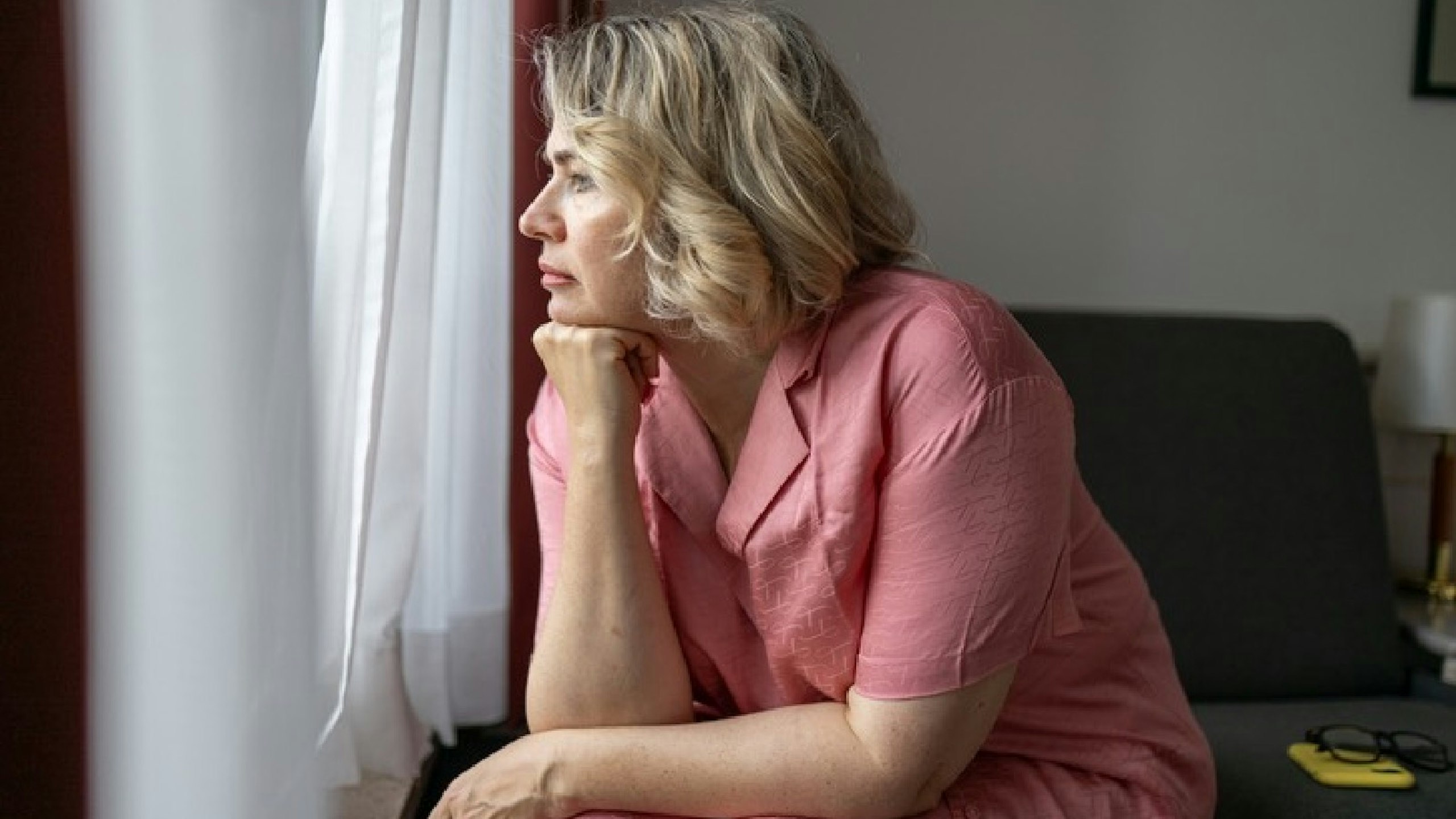
I was so desperate to drop off, I turned to hypnotherapy to sleep. I knew some studies into hypnosis had shown promise for sleep disorders. On recommendation, I settled on David Samson davidsamson.co.uk who practices regression hypnotherapy. It took six sessions, and it wasn’t cheap – his rate is now £255 a session.
Regression hypnotherapy isn’t a passive experience, and you need to be prepared to face some difficult stuff. Under trance, David got to me to two major and traumatic life events had left their mark. When I was six, my beloved nanny who lived with us, died of a heart attack when she went for a nap. The memory of seeing her lifeless in bed is etched in my memory. Then, when I was 16, my father had open-heart surgery and died during the operation. I sub-consciously absorbed the message that sleep was not a safe thing to do.
Working with David who utilises neurolinguistic programming, I healed and make sense of these traumas and enjoyed my first good night’s sleep in years.
2. Spend less time in bed
The end of my insomnia? The start of the end would be more accurate. Hypnosis was hugely helpful, buy it wasn’t a panacea. Years of built-up habits needed to be deconstructed. After the hypnotherapy, I signed up for cognitive behaviour therapy for insomnia, also known as CBTi. This treatment for chronic sleep addresses the thoughts and behaviours disrupting sleep patterns. It’s recommended by both the NHS and the American Academy of Sleep Medicine and uses techniques such as sleep restriction. You don’t even have to visit a therapist to do CBTi – there are plenty of online platforms, including Sleepio, which you can access at home. Sleep restriction was a revelation. The advice not to stay in bed, but to get up and do something else was a game-changer. Some people might like to iron or read; I watched trashy TV. My bed was no longer a prison!

3. Ditch sunglasses first thing
I’m fortunate to get to chat to health experts in the course of my work. Actress-turned bio-hacker Davinia Taylor told me she gets frustrated when she sees people wearing sunglasses first thing, as they are spoiling their chances of getting a good night’s sleep. Although eye specialists recommend wearing protective dark glasses in sunlight, in the early morning, the UV light is weak and unlikely to damage your eyes. So leave the sunnies off for half an hour. The benefit is this exposure will energise you in the day and ensure your circadian rhythms kick in to release melatonin at night to help you sleep.
4. Try HRT to sleep
Perimenopause symptoms, including heavy periods weren’t helping my sleep. My doctor recommended a Mirena coil, which releases a synthetic form of progesterone, which allows most women to have no periods or very light bleeding. It’s also a 'calming, soothing' hormone which supports sleep. After a few weeks, I felt an improvement in the quality of my sleep. I now take the hormone orally as well as topical oestrogen. The Sleep Foundation confirms progesterone therapy can help women who are post-menopausal and also people with sleep apnoea (where breathing stops for a period of time). Progesterone also raises GABA, a calming brain chemical, which helps us to relax and feel good.
5. A bathroom makeover for better breathing
My en-suite shower had somehow morphed from occasional usage into something was every day for all of us. The family bathroom only had bathtub, and suddenly we all preferred showers. Worryingly, black mould had formed in the windowless, poorly ventilated room. Moulds produce allergens, which I suspected was triggering my breathing issues. We gave our main bathroom its own freestanding shower and reduced use of the en-suite. This coincided with an improvement in my sleep and breathing.
6. Change of diet to sleep well
After a microwave meal left me choking, trying to breath, my GP suggested histamine could be an issue with my nighttime breathing and sleep. Histamine is chemical produced by your immune system and found in certain foods. It regulates certain functions such as blood flow – but when the immune system over-reacts, it goes into overdrive and causes allergy symptoms such as sneezing, itching, and swelling. When food is left for long periods, such as microwave products, it produces even more. While histamine-intolerance is not fatal, it can cause headaches, dizziness, and affects your nasal passageways and airways, causing sneezing and congestion and that sensation of your throat closing up. Aged cheeses, cured meats, and pickled items are high in histamine (as is wine!) so I now avoid, especially in the evening.

7. Relax using the military method
As a journalist, I often research relaxation techniques. The military technique – so-called because it’s employed by soldiers when they have to drop off when they’re on manoeuvres - involves deep breathing, progressive muscle relaxation, biofeedback (the purposeful control of your body, such as slowing heart rate) and visualisation. It’s a powerful one. You start by taking slow, deep breathes and relaxing your body from your forehead down, letting your neck feel loose, dropping your shoulders and so on. You then visualise sleeping peacefully in a velvet hammock in a dark room. Still not dropped off? Say “Don’t think” repeatedly in your mind for 10 seconds. The ‘Don’t think’ mantra helps stop my busy mind, and I recommend you give it a try.
8. Identify your sleep style
Speaking to Dutch sleep specialist Merijn van de Laar, author of How To Sleep Like a Cave Man (£10.99 William Collins) was helpful. He pointed out that not everyone has the same sleep pattern. ‘Some people really are larks and others are owls,’ he told me. ‘If you look at chronotypes - the natural inclination of your body to sleep at a certain time - you see a lot of genetic variability. A variability in chronotypes would be important in a caveman community because you need to have a lot of people awake during the evening to keep watch to protect against dangers. If everybody had the same chronotype, everybody would be sleeping at the same time. Your chronotype is quite genetic - if both your parents are evening people, then the chances of being an evening person yourself are high.’ So, I can forgive myself for my reluctance to turn in too early. It’s just my genes!
9. Ease up on sleep hygiene
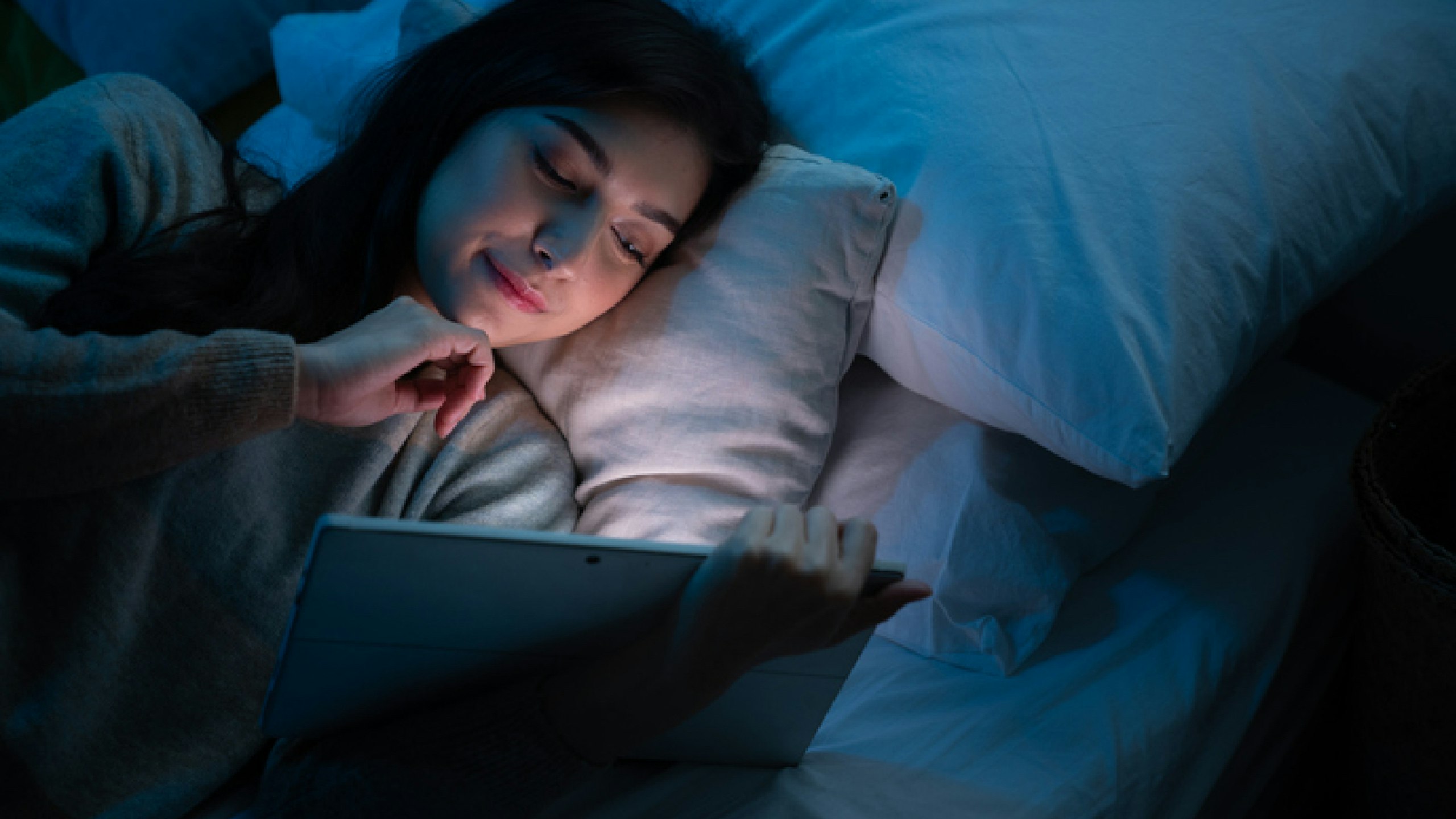
Most articles on sleep will always tell you to avoid electronic devices. However, I do play scrabble (in night-time mode) on my I-pad. It helps me switch off and focus words not worries. Merijn van de Laar agrees that we should also be wary of overly prescriptive sleep hygiene advice. He says: ‘While I do agree it's very important to go out in the morning to, to have your exercise, to get enough light. there’s a lot of black and white advice is going round. I suffered from insomnia for three years. What helped me was actually just watching TV or listening to audiobooks. Mindfulness or relaxation exercise doesn't work for everyone. We should learn to listen to our bodies.’
_
Lucy Hunteris a senior content creator across different titles, such as Bella, Take a Break, and of course yours.co.uk. After three decades in journalism, she’s covered just about everything – from travel and true-life stories to health and emotional wellbeing – and still loves uncovering the human angle in every subject._