
Sleep is something that many of us struggle with, and the advent of longer nights doesn’t automatically mean more rest. When we think about sleep, we can often get very focused on the act itself (and put extra pressure on ourselves in the process), but getting a good night’s shut-eye isn’t something that exists independently by itself.
By looking at the bigger picture and implementing more holistic lifestyle changes, we can all find peace this midwinter and beyond.
1. Step outside
Daylight is an important cue for your body's sleep cycle. By exposing ourselves to natural light during the day (especially in the morning) we help our bodies know when it’s time to wake up, and when to power down at night.
“Winter affects our circadian rhythms, our natural body clock that is responsible for a number of things, including our sleep cycle,” explains therapist Sue Gray. “We've got less daylight, far more periods of darkness, as well as seasonal affective disorder (SAD), which can lead to people feeling quite depressed. It’s harder to get out for lots of people in winter, so we’re not getting that sunshine, or the exercise.”

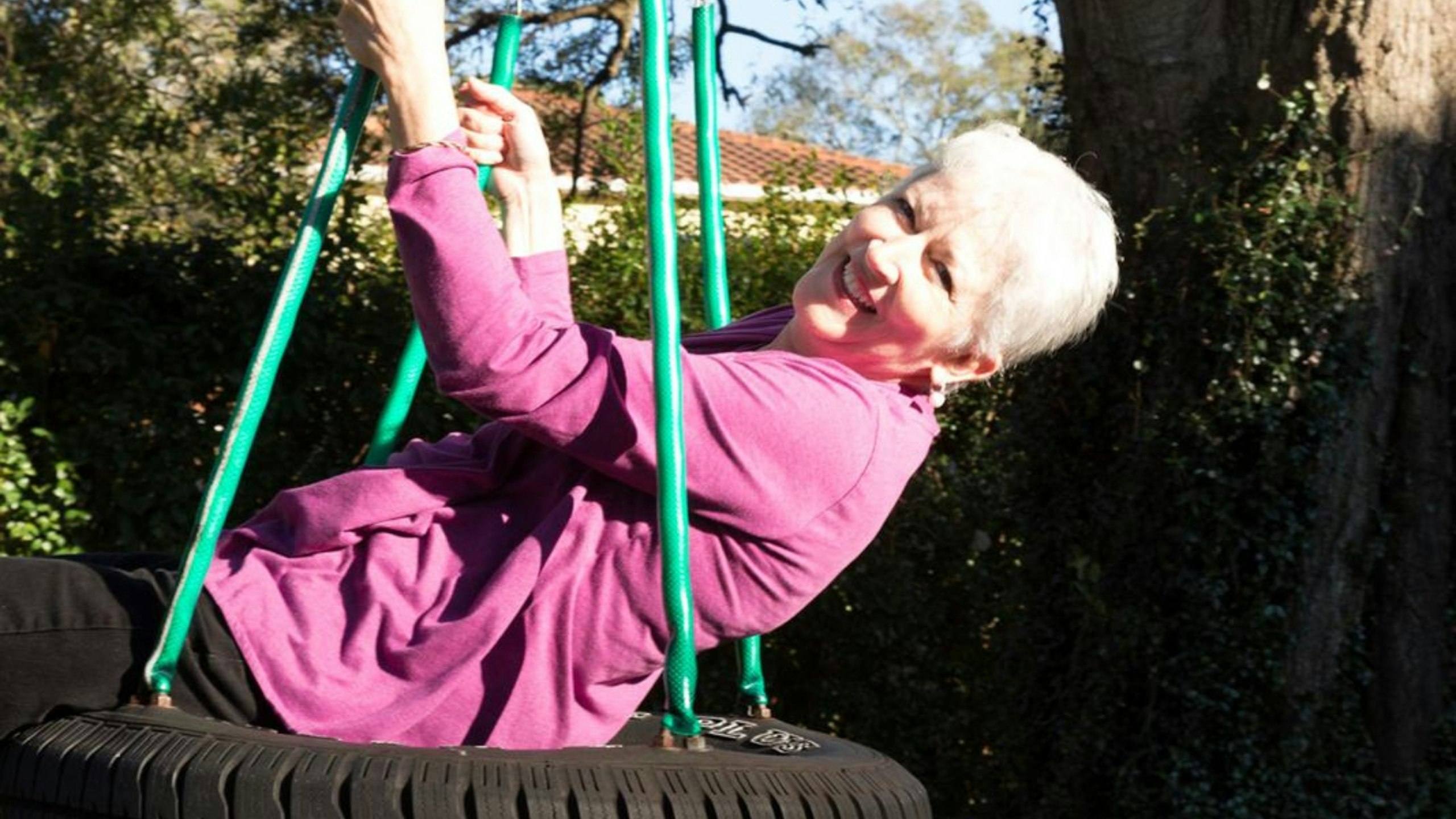
2. Act like a child
To kickstart your body clock in the day, Sue suggests channeling your inner child. “Children still go out and play in all weathers and they go outside at school,” she says. “It's almost asking yourself, ‘what would I be doing now if I was five or eight?’ Even if you’re not outside for that long, go for a little walk around the garden. Anything that gets you outside, with as much daylight as possible.”
3. Have an evening routine
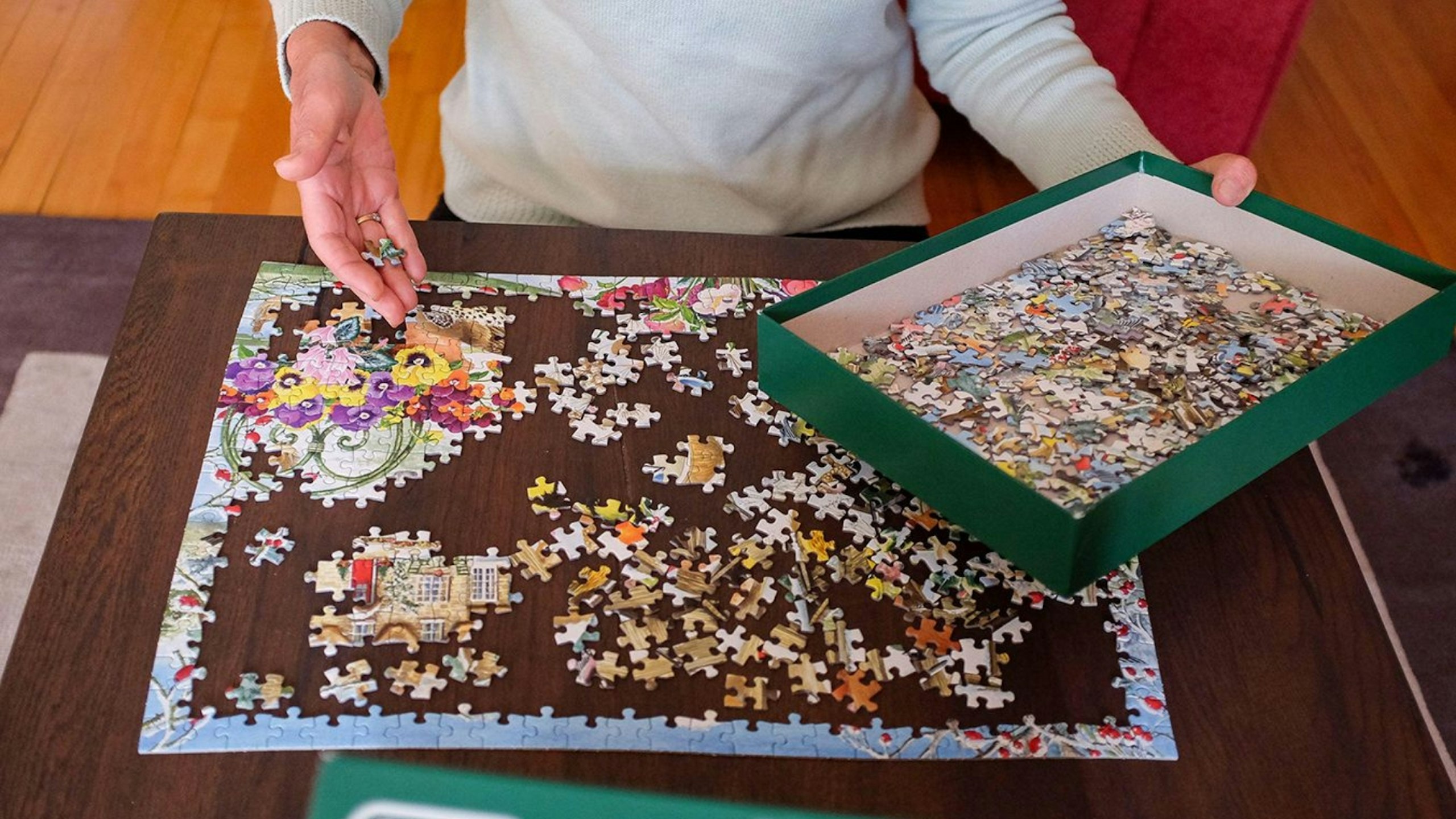
Our brains crave routine, and this can make a big difference when it comes to getting yourself set for sleep. “Having a routine that works for you in both summer and winter really helps,” says Sue. This could include having a warm bath, or doing something peaceful, like a jigsaw puzzle.
“When we were children, we generally had a routine,” adds Sue. “We were put to bed by our parents in a certain way, playing until a certain time, tidying up and putting our toys away, having bath time and then bed. We can apply the same principles as adults. This is so important in getting the message across to both our conscious and subconscious mind that the day is finished.”

4. Time it right
On the other hand, avoid going to bed much earlier than your natural sleep time. “We sometimes feel sleepy earlier in the day in winter,” Sue says, “or we can find ourselves going to bed earlier if we feel a bit lonely.
Generally though, we want avoid going to bed at 8pm.” Instead, start your gentle wind-down routine a couple of hours before your normal bed time. “Dimming the lights helps to stimulate the release of the sleep-friendly hormone melatonin,” adds Sue.
5. Don’t read in bed
Try to stay out of the bedroom for as long as possible. “A lot of people like to read in bed, myself included,” Sue says. “But when we start doing other things in the bedroom, even reading, it can affect our sleep. Try doing your reading outside the bedroom and save it for either sleeping or sex!”

6. Lift your vibe
Laughter and getting a good night’s sleep might not seem an obvious link, but feeling happier instills a sense of calm and ‘all is well’ in both mind and body.
Getting together with friends, volunteering or starting a new hobby are all great ways to bring some fun into your life.
“Laughter is so important for general wellbeing, but we often don’t get enough of it when we’re older,” says Sue. “Perhaps we don't have a partner any more or our children have moved away, or we’re alone. We can start to see the world is a dangerous place. I see a lot of older people who have got a sleep problem because they're unhappy.”

7. We are what we watch
We may not be able to change our circumstances, but we can control what we engage with. Aim to watch or listen to shows that lift your mood, especially in the evening. “Instead of watching soaps every day, which aren’t designed to make us feel good, or watching the news before bed every night, watch or listen to something funny,” explains Sue. “When we laugh, we switch on our parasympathetic nervous system and move out of fight or flight mode.”
8. Be silly with stories
If you’re a reader, try dipping into a book of funny short stories. “Short stories are good, because you don't want to be going to bed with a problem or an unresolved situation,” says Sue. “I have seen many clients’ sleep improve, just from changing what they watch or read. Sometimes, we have to be prepared to adjust our view of the world.”
9. Use natural bedding
The notion of counting sheep to help us sleep has been around for generations, but there could be some truth in it. “Instead of synthetic bedding or a duvet, woollen blankets can help to regulate our body temperature and are incredibly soothing,” says Sue.
“The British Blanket Company do some great quality ones, as well as John Lewis. Otherwise, try buying from independent wool shops local to you, rather than big brands that can be heavily processed. Wool blankets cost more upfront, but can be an investment worth making.”

Eat earlier
It might be tempting to tuck into snacks on the sofa, but a full stomach does not make a good bedfellow. “As we get older, our bodies find it harder to digest things such as complex carbs and alcohol,” says Sue. “Eat earlier on in the evening, or have your main meal at lunchtime.”

10. Try a light box
“A light box can be a good idea if you need to top up your levels in winter,” says Sue. “The National Institute for Occupational Safety and Health suggest using it for an hour in the morning after you wake up. If you don’t want to sit in front of a lightbox, try working it into your day and having it on in the kitchen instead.”

11. And lastly… don’t panic
“We’ve got this big thing that we have to sleep for eight hours every night,” Sue says. “But it’s normal sometimes not to sleep well, our grandmothers probably put up with insomnia and we shouldn’t be afraid of it.”
Instead of lying there and stressing about not being able to sleep, listen to the rain or tune into any sounds from the natural environment. “Anxiety is often our subconscious mind looking out for us, so try viewing it like a worrying friend,” says Sue Gray. “You don’t have to actually take on board and believe everything that she says.”
Meet the expert

Sue Gray is a qualified life coach and therapist, specialising in sleep. She is the creator of Help Me Sleep, a tailor-made programme utilising sleep training with mindset coaching, deep relaxation techniques and meditation.
Jo Carnegie is a seasoned journalist and author with over 25 years of experience in the wellness and lifestyle sectors. Formerly the Deputy Editor of Heat magazine, she is renowned for her insightful celebrity interviews. Jo has published nine women's fiction books and is also an accomplished ghostwriter.