
For more than five decades, Rosemary Conley has been one of the most familiar faces in the British diet industry. During the 80s and 90s her diet books sold in the millions and her franchised network of slimming clubs, which ran until 2014, were full up and down the country. Her best-selling diet books, workout videos and clubs made her a household name.
Slimming clubs were big business; groups met in village halls, schools or churches every week to be weighed, share support and a sense of solidarity. Alongside Slimming World and Weight Watchers, Rosemary Conley’s clubs were one of the big three but crucially, she was the lone voice in the wilderness promoting the value and importance of strength training as a weight loss tool.
Over the years, Rosemary has seen many dieting fads come and go, from the grapefruit diet to Atkins and now, the rise of weight loss jabs.
Drugs like Mounjaro and Ozempic (known as GLP-1s) supress the appetite, enabling the people to lose weight as they don’t have much desire to eat. Their popularity has surged, transforming expectations of how quickly and easily a person can lose weight. For some people the results have been incredible and for the diet industry, the impact has been huge. But were they the quick fix people have been looking for?
“The fundamentals haven’t changed in 50 years,” Rosemary says, noting that “People always want something simple, that takes the struggle away.” However, she’s quick to point out that while “weight loss jabs are a massive tool to help you feel fuller,” eventually people will need to transition off them. “Give it another year,” she says, “And I think we’ll see what it’s really doing.”
The weight loss fundamentals
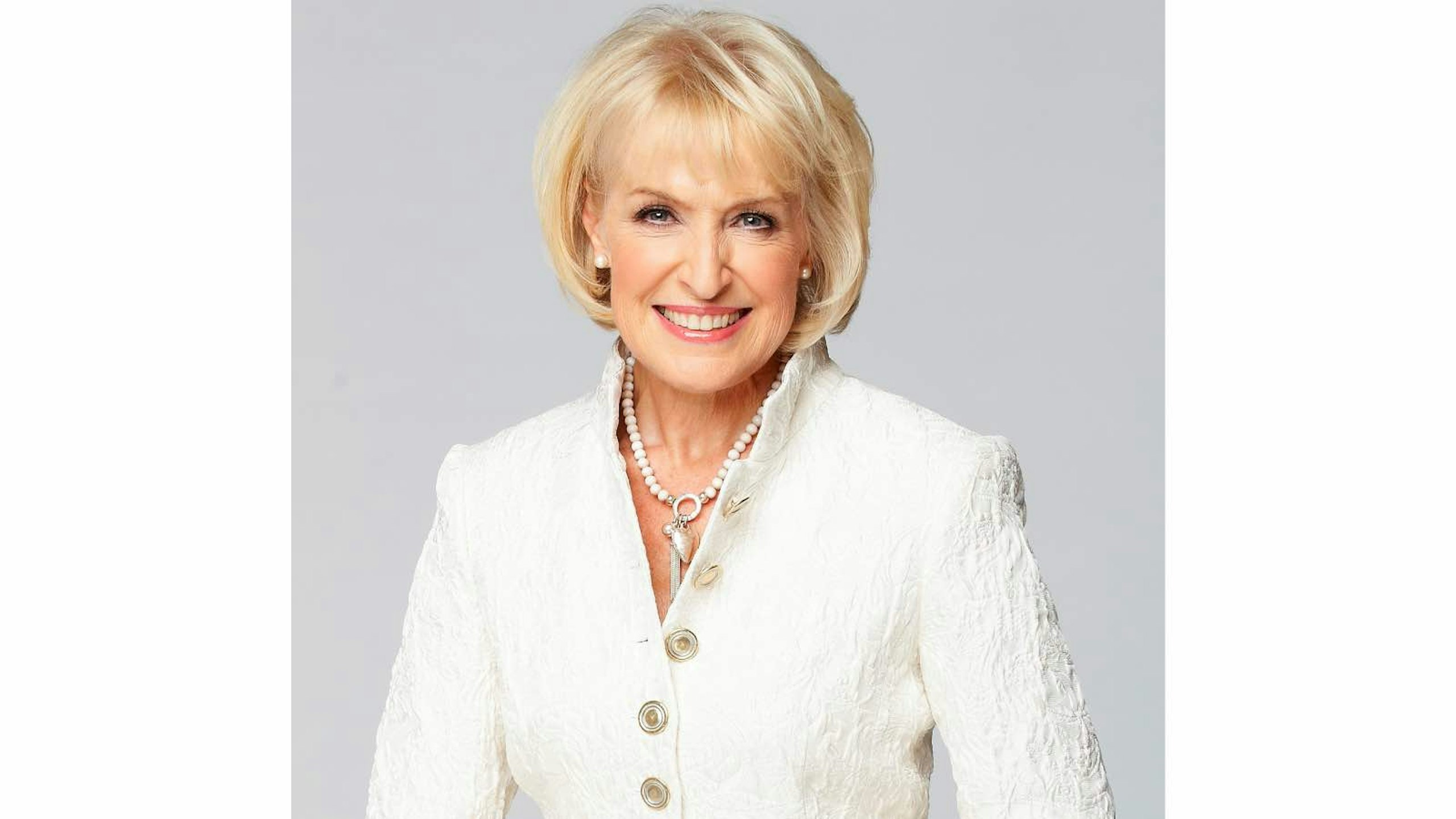
Weight loss is often made far more complicated than it needs to be, and Rosemary is a big advocate of keeping things as simple as possible in order to see success. Whether an individual uses weight loss jabs or not, she firmly believes in the basics despite changes over the years.
“I’ve seen monumental changes,” Rosemary says of attitudes to weight loss. “I went to my doctor in 1967 and said I needed to lose some weight, and he gave me a diet sheet which was 1000 calories. That was thought to be the amount you needed to be on if you wanted to lose weight. Nobody talked about increasing your activity levels and moving more.”
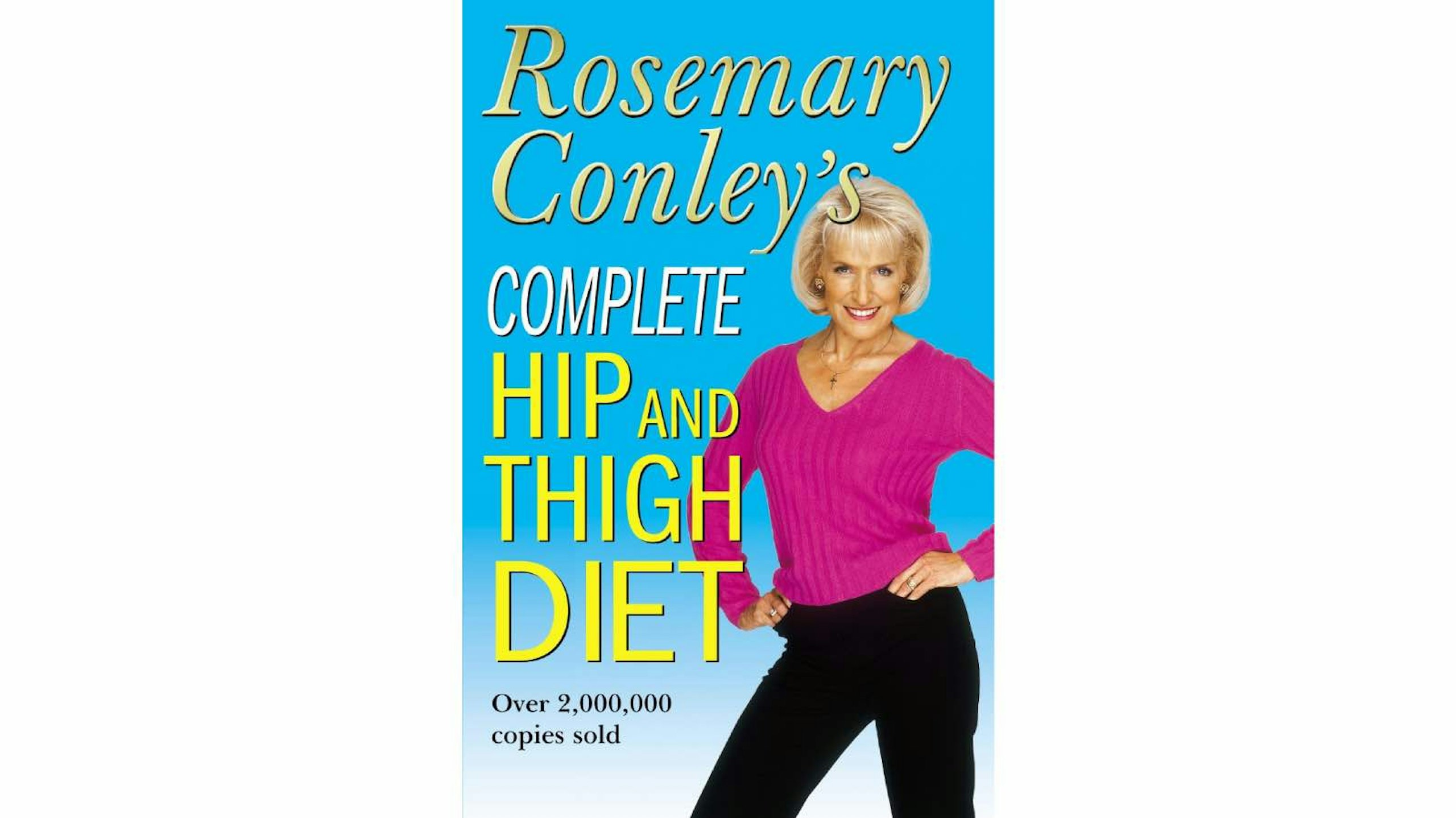
Rosemary’s book, The Complete Hip and Thigh diet came out in 1988. “People were trying to disprove it,” she says. “Because they thought I was saying you could spot reduce. Well of course you can’t spot reduce. All I was saying was eat a low-fat diet and you’ll lose weight off your hips and thighs.”
Rosemary’s ethos, and promotion of regular exercise, resonated with the British public, who bought her books, magazines and videos in their droves. But she doubts it would be as effective now.
“That worked then, when places weren’t open 24/7, there weren’t a million products on shelves that are ‘low-fat’ but high in sugar and rubbish. The world became richer and we became less active.”
Rosemary has always focused on what she believes genuinely helps people: a clear structure, regular exercise, and foods they can confidently eat without overthinking: “It’s very much about healthy eating,” she says. “And make sure every day you do some sort of exercise. It’s absolutely astonishing how much better we feel when we drop some weight. It gives us more confidence, we feel more in control.”
“What we put in our body is fundamental to our overall success and how long we live.”
Another important pillar for weight loss comes in the form of accountability, and as Rosemary says, “That support is everything. Sociability becomes such an important part of it, especially when you get older.” In fact, studies have shown that social activity and exercise can help prevent dementia.
“As someone approaching eighty, I’ve still got plenty of energy in my walk, and that comes from a lifetime of exercise.”
On the rise of weight loss jabs, Rosemary is pragmatic but cautious: “I've been in this business long enough to know there are some people who - it doesn't matter how brilliant the diet is - for whatever reason, they have trouble sticking to it. The difference here is the thing that tempts you to say your hungry has gone. But some people are still eating the wrong things.”
Using weight loss jabs effectively

Dr Jack Mosley is the son of Dr Clare Bailey Mosley and the late Dr Michael Mosley, who pioneered the 5:2 and The Fast 800 diets after reversing his own Type 2 diabetes diagnosis. Jack is continuing his father’s work in this area, including developing The Fast 800 plan to support those using weight loss jabs, or GLP-1s.
“They’re not going to be a passing fad,” he says of the jabs. “In the next few years there will be different medications released, including oral medication, that are even more effective than what we have at the moment.”
But while he’s optimistic about the results gained while people are using them and the safety of the jabs overall, he says the biggest challenge comes when people transition off them.
“People regain about two thirds of the weight they lose within the first year of stopping,” he says. “And after about 20 months with this new generation of GLP1s, most people have regained all of the weight they initially lost.” This is particularly concerning since Nice guidelines recommend people don’t use them for more than two years.
“Much more support is needed to help people transition out of using GLP-1s, so they don’t regain all that weight. Whether that’s in person, with a programme and personal trainer or online, that extra structure, that extra support, is needed.”

Jack stresses that weight loss injections should be seen as a starting point and not a solution. Like Rosemary, he emphasises that overall changes are needed to see lasting results, including following a Mediterranean style diet that’s rich in vegetables, fruit, whole grains and protein, and taking regular exercise.
“Muscle loss is a concern of mine,” he says. “25 to 40% of the weight that people lose in the studies is muscle loss. This can be offset by doing resistance training and eating plenty of protein.”
This prevention of muscle loss is especially important for women as they go through menopause. Strength training for women over 50 becomes crucial, as it helps strengthen bones, prevent muscle loss and, in turn, keeps us stronger and healthier for longer.
The Fast 800 supports users in the same way as Rosemary’s in-person clubs did in the 80s and 90s, offering accountability in the form of online groups, support and an opportunity to learn skills that help build healthy, long-lasting habits.
“People still need to learn how to shop, how to cook, how to build meals that keep them full,” Jack explains. “They need to know what their routine will look like when they aren’t relying on medication.”
What people still need for lasting change

From talking to Rosemary and Dr Jack, one thing is clear: habits, education, movement and community are the keys to success. These can be combined into five clear pillars.
Structure – Clear, simple, easy to follow plans. Weight loss doesn’t need to be complicated if the right structure is in place.
Support – Online or in person, coaching, accountability and community keep people on track and help them feel less isolated in their weight loss journey.
Strength training – 2-3 strength training sessions per week (as per NHS guidelines), or this can be broken down into ‘exercise snacks’ of 10-minute bursts. This is crucial for preserving lean muscle mass as we age and also as we lose weight.
Nutrition knowledge – Far more than calorie counting, the focus needs to be on whole foods, cooking from scratch and including plenty of fibre and protein. Processed foods should be kept to a minimum.
Behaviour change – Small habits that build over time to create a consistent routine. Things like a daily walk, a regular bedtime routine, mindfulness and social activity all help build confidence and happiness, making us more likely to continue on our path.
Weight loss jabs: A tool, not a solution
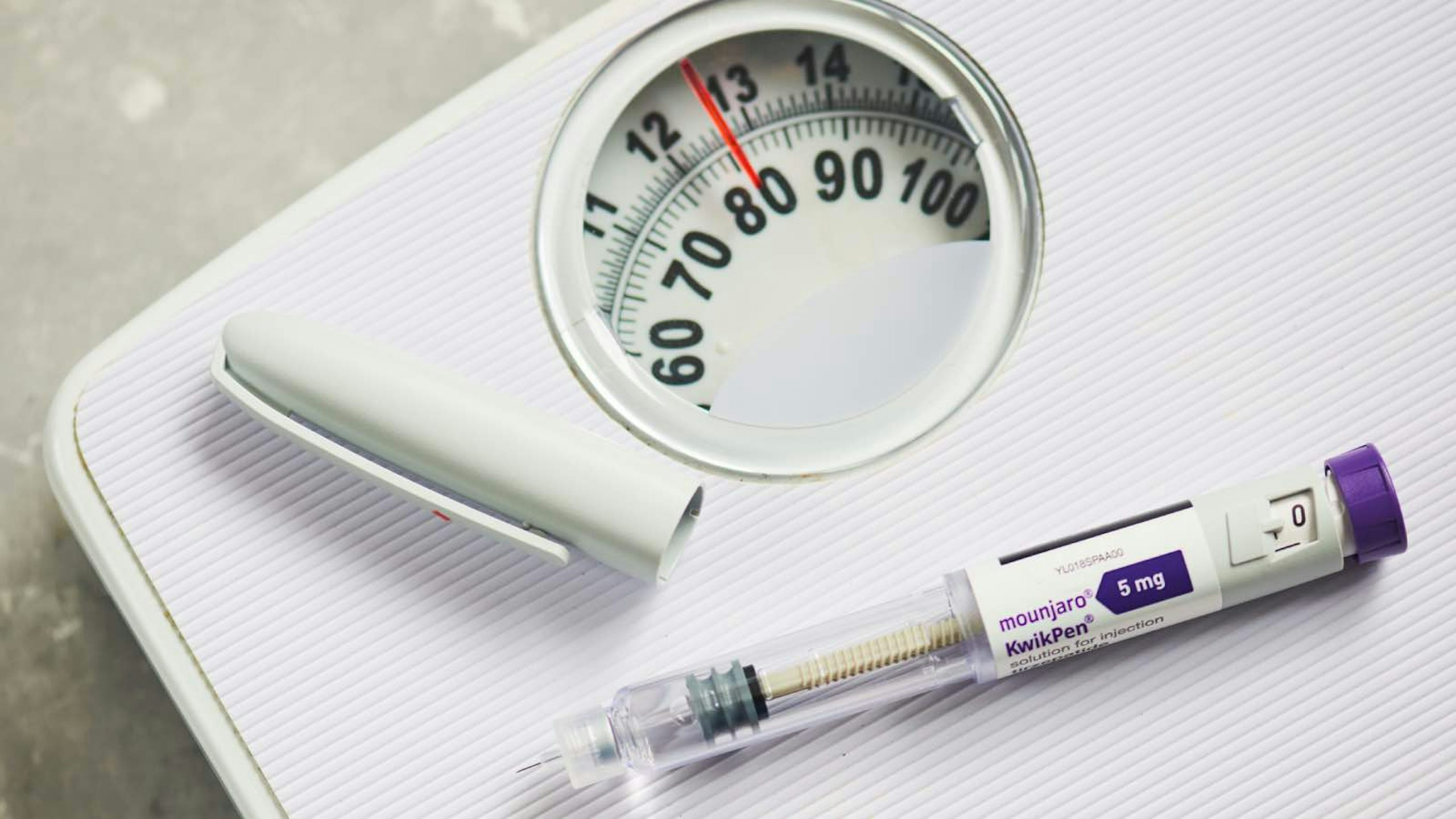
The diet industry is ever changing as society changes overall. The arrival of weight loss jabs definitely hails a new era but, as evidenced in talking to Rosemary and Dr Jack, they are just one tool in a much larger kit.
Ultimately, people want to feel good, and they want to feel in control. But for many of us, as we age, it becomes less about a number on the scale and more about the overall health benefits that being a healthy weight brings.
Couple that with the sense of purpose and the boost to mental wellbeing that comes from being part of a community, and there’s a strong argument for support groups – online or in person – to continue long into the future.
Undoubtedly weight loss jabs have their place, and they are very obviously of benefit to many. But arguably, to ensure weight loss jabs are effective in the longer term, the fundamentals now matter more than ever.
Meet the experts: Rosemary Conley is one of the UK's most successful diet and fitness experts, with over 50 years experience in the industry. She has written and published over 37 books, the most notable being The Complete Hip and Thigh diet, which sold over 2 million copies.
Dr Jack Mosley is a GP Registrar and author of 'Food Noise.' He is continuing the legacy of his father, Dr Michael Mosley by working with The Fast 800 providing rapid weight loss plans and longer term support for those using GLP1 medication.
Becky Fuller is a senior digital writer for Yours.co.uk. She is also a fully qualified personal trainer and strength coach, specialising in fitness and wellbeing for over 50s. Prior to joining Yours, Becky was a fitness writer for Saga, and a freelance entertainment and theatre journalist. Becky is passionate about helping people to move well and discover the many benefits of strength training.