Looking for the latest health advice for over-50s? Click here to keep our stories at the top of your Google feed.
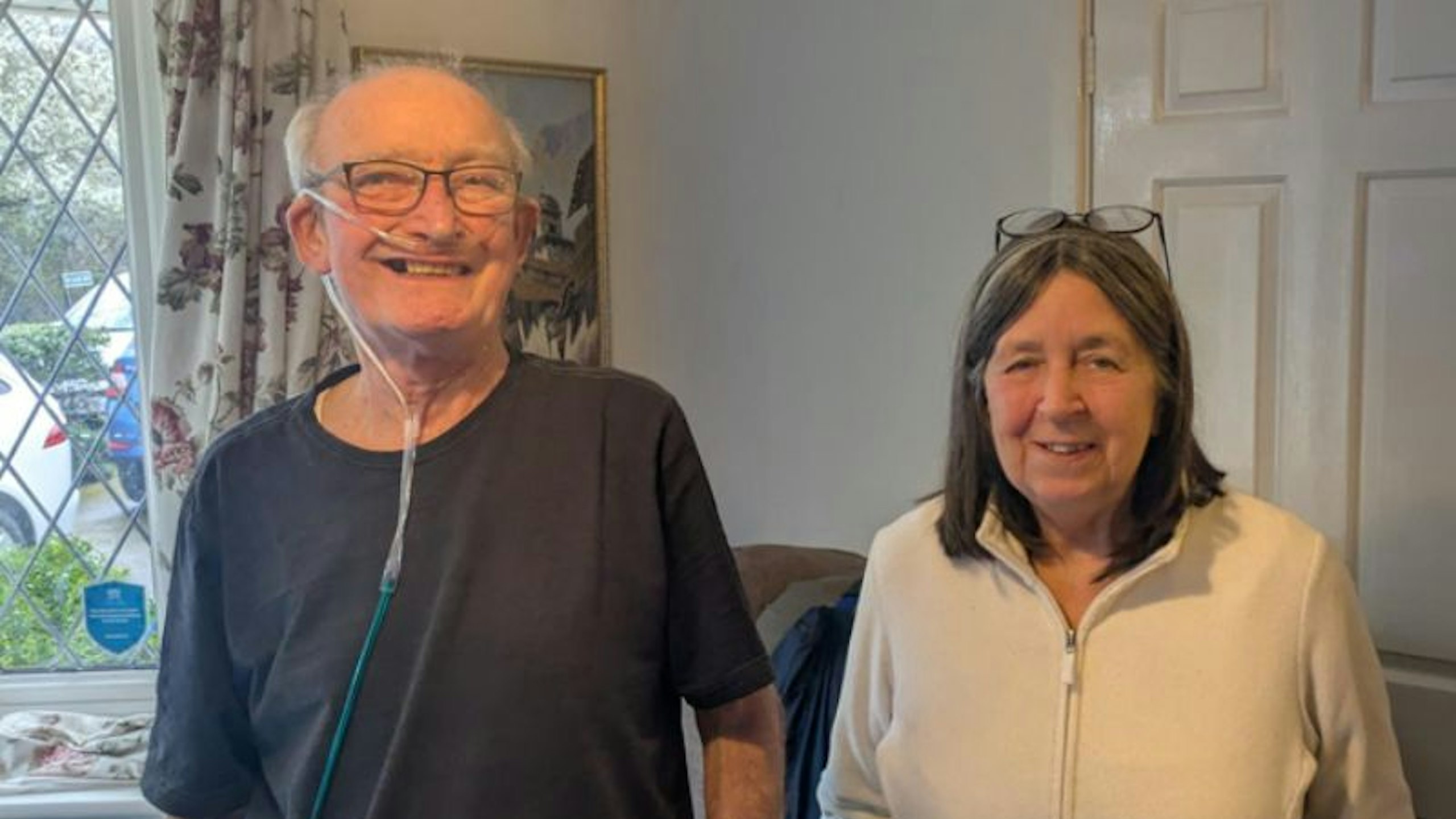
Just five years after retiring, former aircraft engineer David received devastating news about his health. The 76-year-old recalls, ‘I was diagnosed with COPD and a heart problem, then they found I had lung cancer. I had to have radiotherapy, which was successful, and I had the heart valve op. But at times things would go downhill rapidly.’
'He was on oxygen all the time for the COPD,’ explains David’s wife Mary. ‘And the radiotherapy also scars the lungs. When David first came out of the hospital, we didn’t have any support. He was just on a bed in the living room. We all thought he was nearly gone. Our older son and all his family went home in tears because they thought this was it, they said goodbye.’
When David was offered palliative care, at first he was unsure. ‘My vision of palliative care was lying in a hospital bed,’ he shares. ‘A lot of people must have that misconception but that’s when things changed. It went brilliantly. Before the Marie Curie Nurses came, I hadn’t moved in six months. What I hadn’t realised is that your head goes into a different mode of thinking without you even realising. The first day, I couldn’t even get 10 feet out the door.’
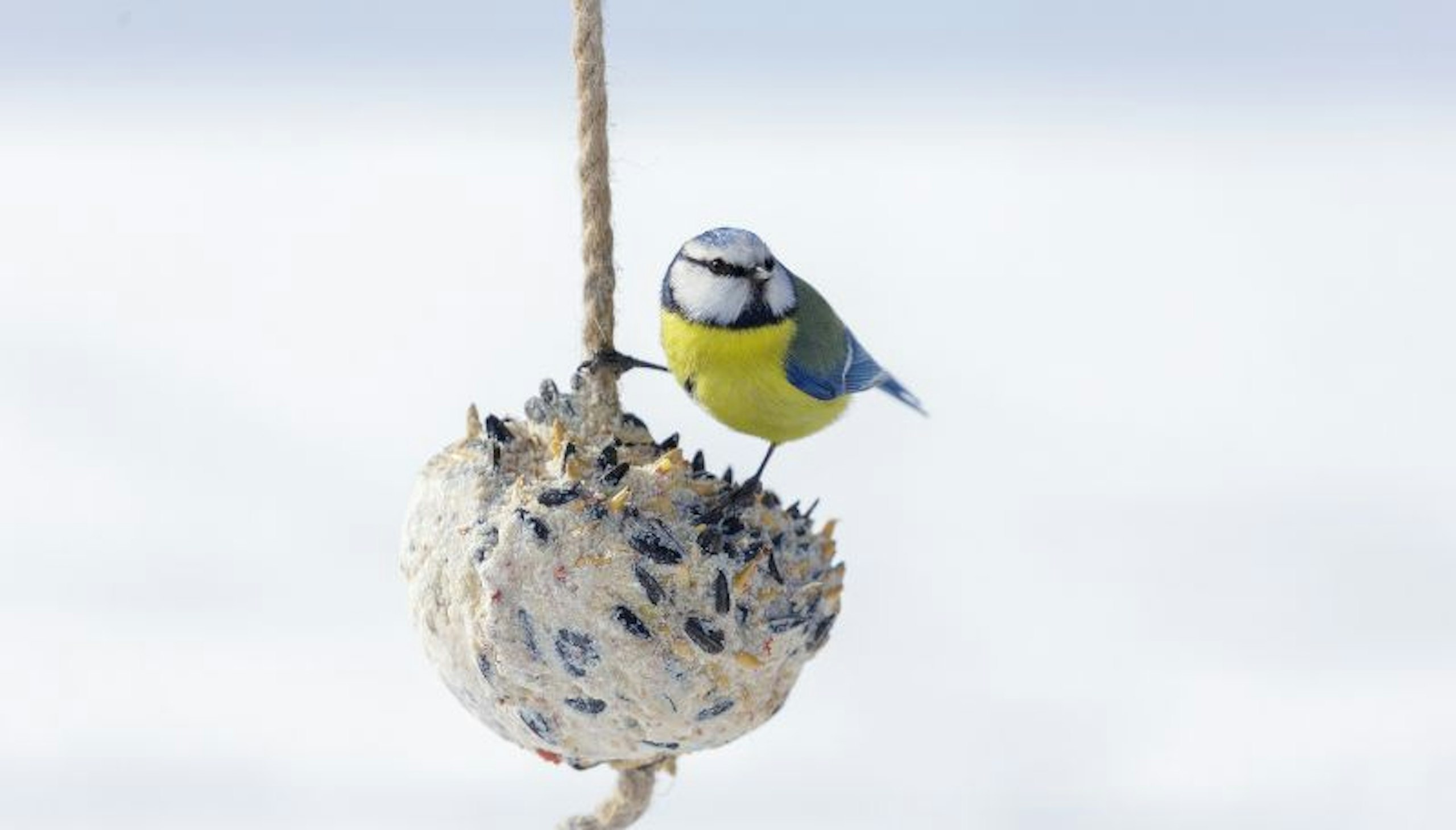
Gradually, their lives improved so much that the couple were able to go to a horticulture course at the Marie Curie West Midlands Hospice. Mary smiles, ‘We made some bird feeders, because it was linked to the RSPB’s bird spotting project. We were making different bird feeders with peanut butter and things in. It’s good for carers, it’s not only for the person who’s ill. It all helps, because it gets him out the house. I like gardening, as well, so it was fun for me too!’ David feels before Marie Curie came, he’d ‘given up on life. Now I have a purpose for whatever time I have left with my family,’ he says.
And Mary agrees. ‘He has a very positive attitude. The support from Marie Curie has made a massive difference. When David came out of hospital I didn’t know what to do, who to call. I was the carer, so I was doing everything, and I’m no spring chicken. Since Marie Curie became involved, it has made a huge difference to my life.’ ‘Marie Curie gives you knowledge, who you can talk to,’ adds David. ‘Mary knows now that she can pick up the phone to them. They’re taking that stress away.’
How Marie Curie help
To access Marie Curie care, you need a referral from a medical professional. The type of care David receives is provided at no cost to the patient.
If you or someone close to you needs palliative care, talk to a health and social care professional who is helping to manage your illness. Or contact your GP, who can help assess your needs and get you the right support.
By donating to The Great Daffodil Appeal, you can help more people like David and Mary get the care and support they need.
Arabella Horspool is a Commercial Content Writer for Yours at Bauer Media. A devoted bookworm and TV fan, she’s always immersed in the latest shows or catching the newest films and theatre productions. When she’s not writing, Arabella enjoys cooking and exploring the outdoors with her dog.