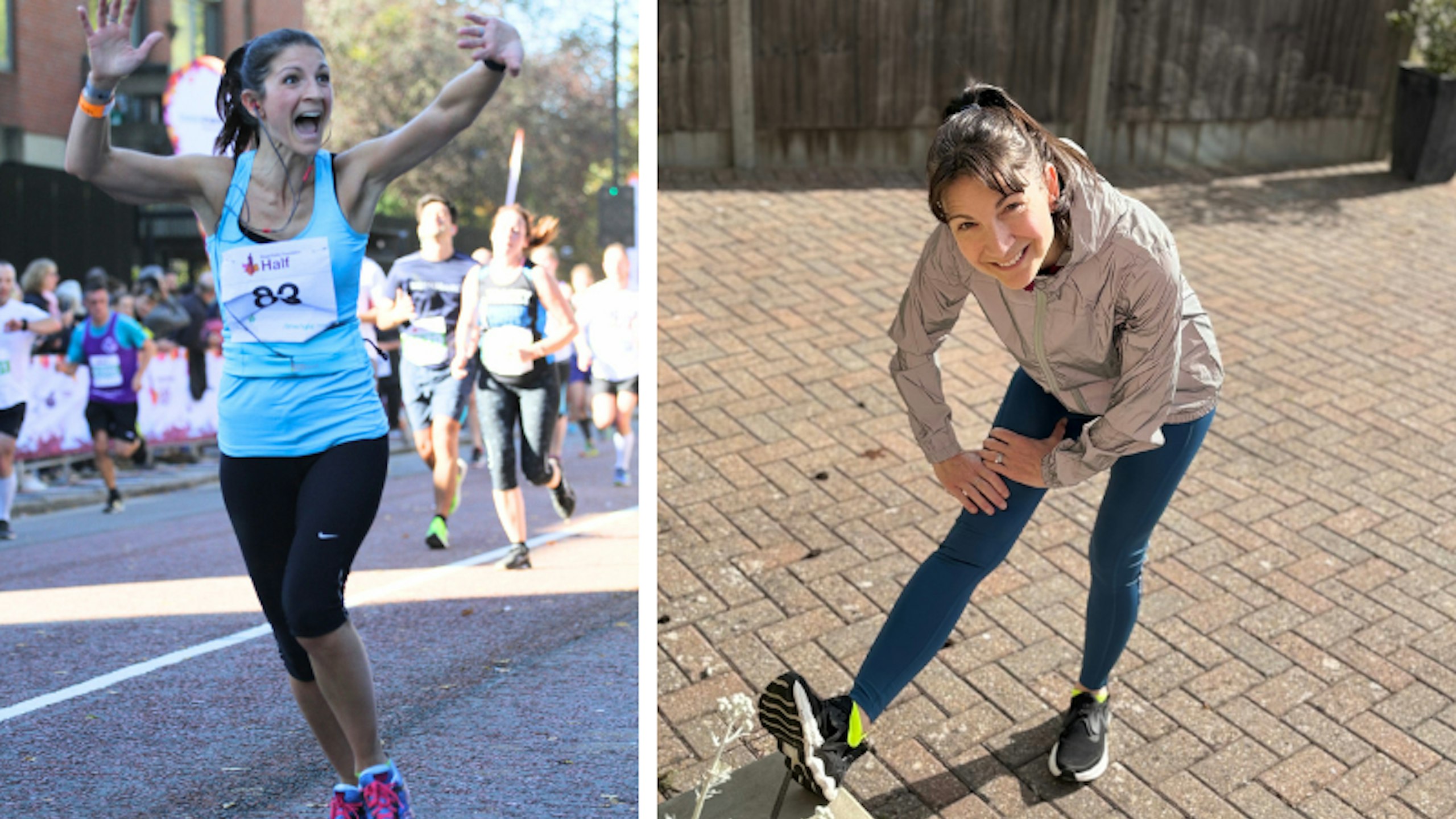
Yours brand editor Gina explains how turning 50 has led her back to her love of running again, and what it’s really like to rediscover the sport later in life.
"I didn’t expect to fall back in love with running at 49. For years, I saw it as something that belonged to an earlier version of me, the woman in her 30s who could run 18 miles a week without much thought and rely on five steady miles to clear her head after a difficult day. Running carried me through heartbreak, career changes and uncertainty, and it gave me structure when I needed it most. I ran one marathon and several half marathons, and I was proud of my not-too-shabby times.
In my early 40s, an injury to my left ankle forced me to stop. I assumed it would get better after a few weeks’ rest, but it lingered. Every time I tried to run more than two miles, the pain returned. It was difficult to accept that the one thing I could always rely on to lift my mood was suddenly gone. Gradually, I replaced running with spin classes, strength training and yoga. I stayed fit and strong, and in many ways that felt like enough, and I came to terms with no longer being a runner.
But as I approached 50, something shifted. Perimenopause brought disrupted sleep, anxiety and low energy, and I began to wonder whether I could run comfortably again. On impulse, I signed up for a 10K, the Cancer Research Winter Run.
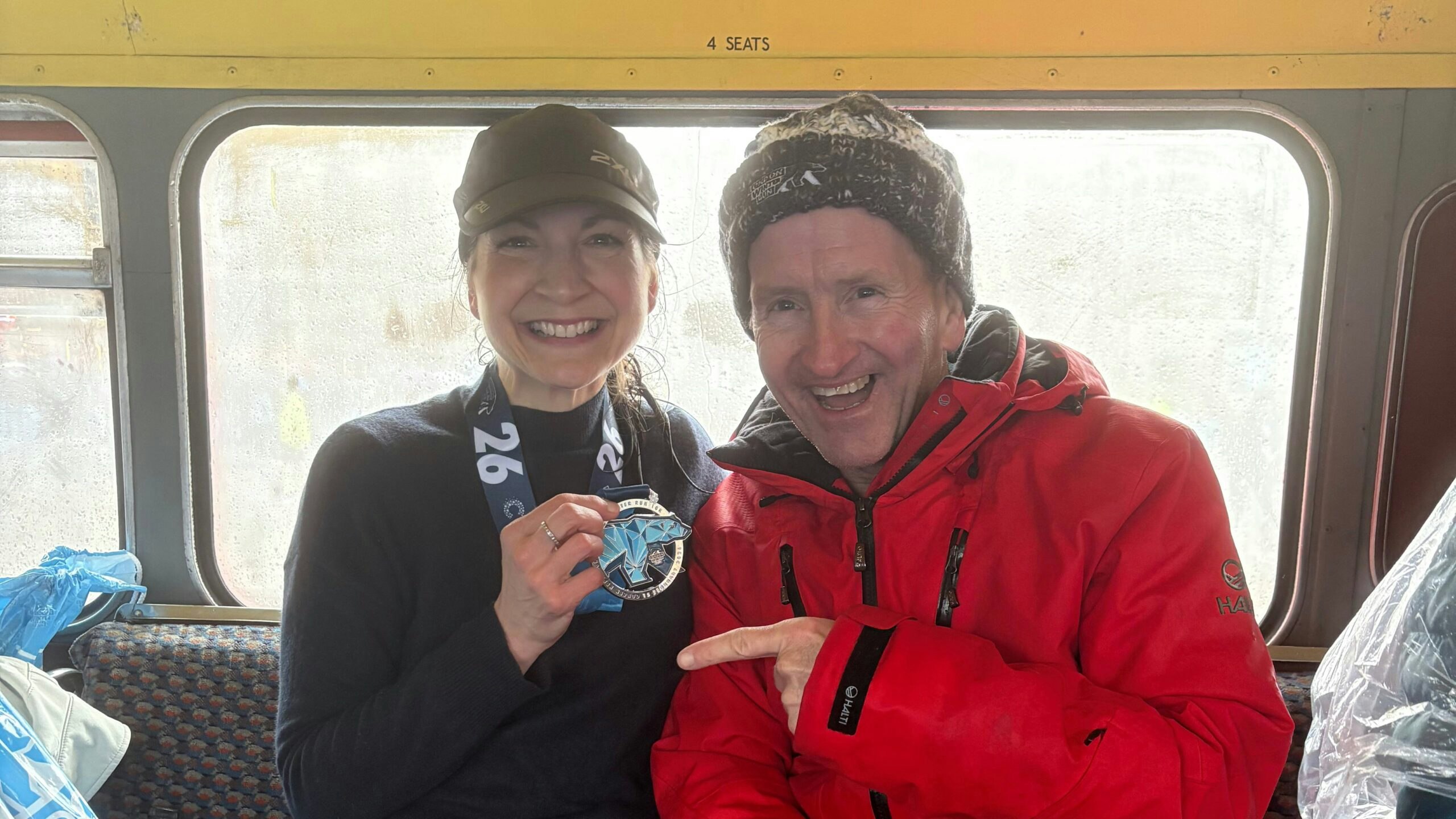
The first few runs were humbling. Although I was fit, running fitness is specific, and I felt stiffness in my hips and calves that I did not remember from before. I was also slower, which proved to be the hardest adjustment. I am competitive by nature, and it is not easy to ignore pace, especially when your 11-year-old daughter can run a much faster 5K.
The endurance came back easily enough. Within weeks I could run 5K, then 7K, then close to 10K. I felt amazing after each and every run, no matter how soaked I was. Trust me to choose to restart my running in the wettest January for many years. I also noticed I was sleeping better and feeling good on the days I ran.
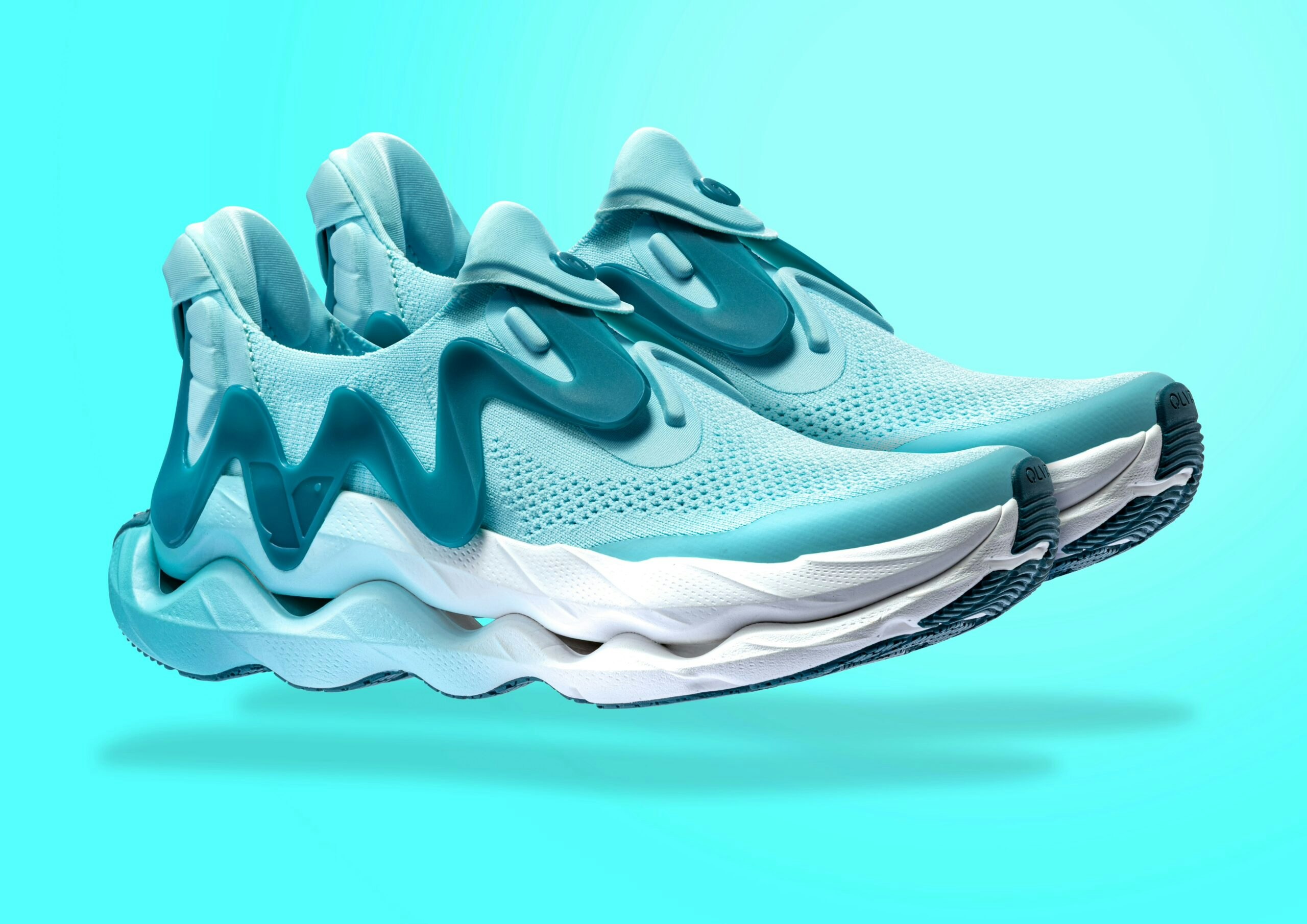
I also paid closer attention to the practical details. Footwear matters more now, and alongside my trusty Brooks, I tried slip-on trainers from QVLR, designed specifically for women’s feet.
More importantly, I have returned to running without aggravating old injuries. Beyond that, the basics remain simple: supportive trainers, a good sports bra and reliable waterproof layers for winter. The right kit does not transform a run, but it means you’re weatherproof.
Consistency has been the priority this time, with short runs, gradual progression and proper recovery. In my 30s I pushed through discomfort, but now I stretch, rest and listen more carefully to what my body is telling me.
On race day, I pretended to myself that I didn’t have a time goal, but secretly I was determined to finish in under 55 minutes. I crossed the line feeling elated, not because of the clock (55:04), but because I had returned to something I once thought was behind me, and not even my wringing-wet clothes could put a dampener on that."
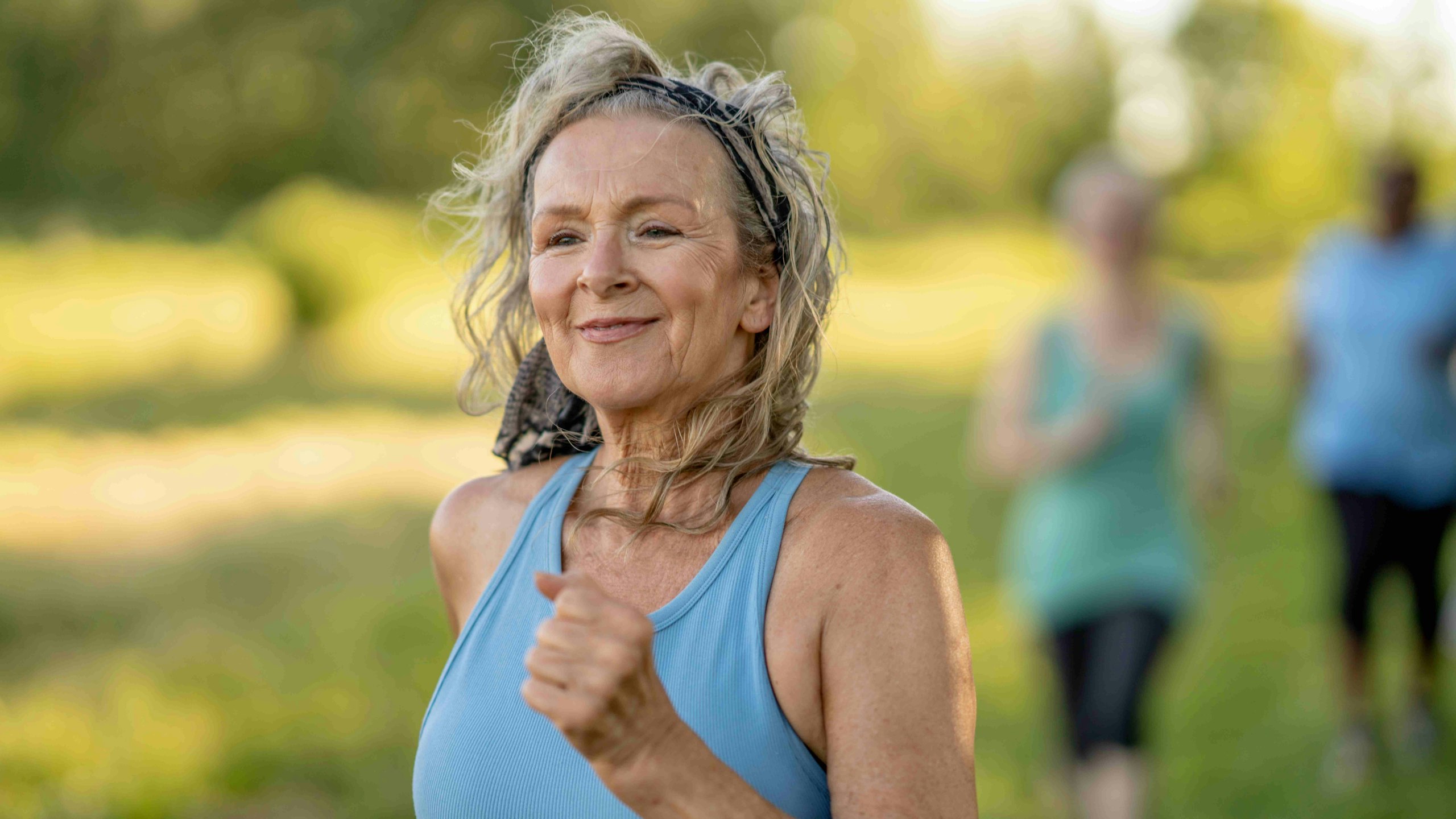
Running in your 50s: How to do it safely, strongly and with a smile
Thinking about taking up running again in your 50s? Or lacing up for the first time? The good news is it’s never too late. The key is being a little kinder and wiser with your body than you might have been in your 30s.
Here’s how to make it feel good, not punishing.
Start gently, even if you feel fit
Even if you do Pilates, spin or long walks, running uses your body differently. Begin with short, easy runs and build gradually. A run-walk approach is perfect in the early weeks. There is no medal for going too far too soon. Free training programmes like couch to 5k are a great way to start.
Make strength training your secret weapon
From midlife onwards we naturally lose muscle, especially around menopause. Adding two simple strength sessions a week, focusing on legs, glutes and core, will help protect your knees, hips and ankles and make running feel easier.
Recovery is part of the plan
In our 50s, recovery isn’t optional. It’s essential. Rest days matter. Stretching helps. So does decent sleep. If something feels sore in a sharp or persistent way, take it seriously. You’re building consistency now, not chasing personal bests.
Invest in good trainers
Your feet may have changed over the years, so it’s worth getting properly fitted at a specialist running shop. Supportive, well-cushioned shoes can transform how comfortable you feel on a run.
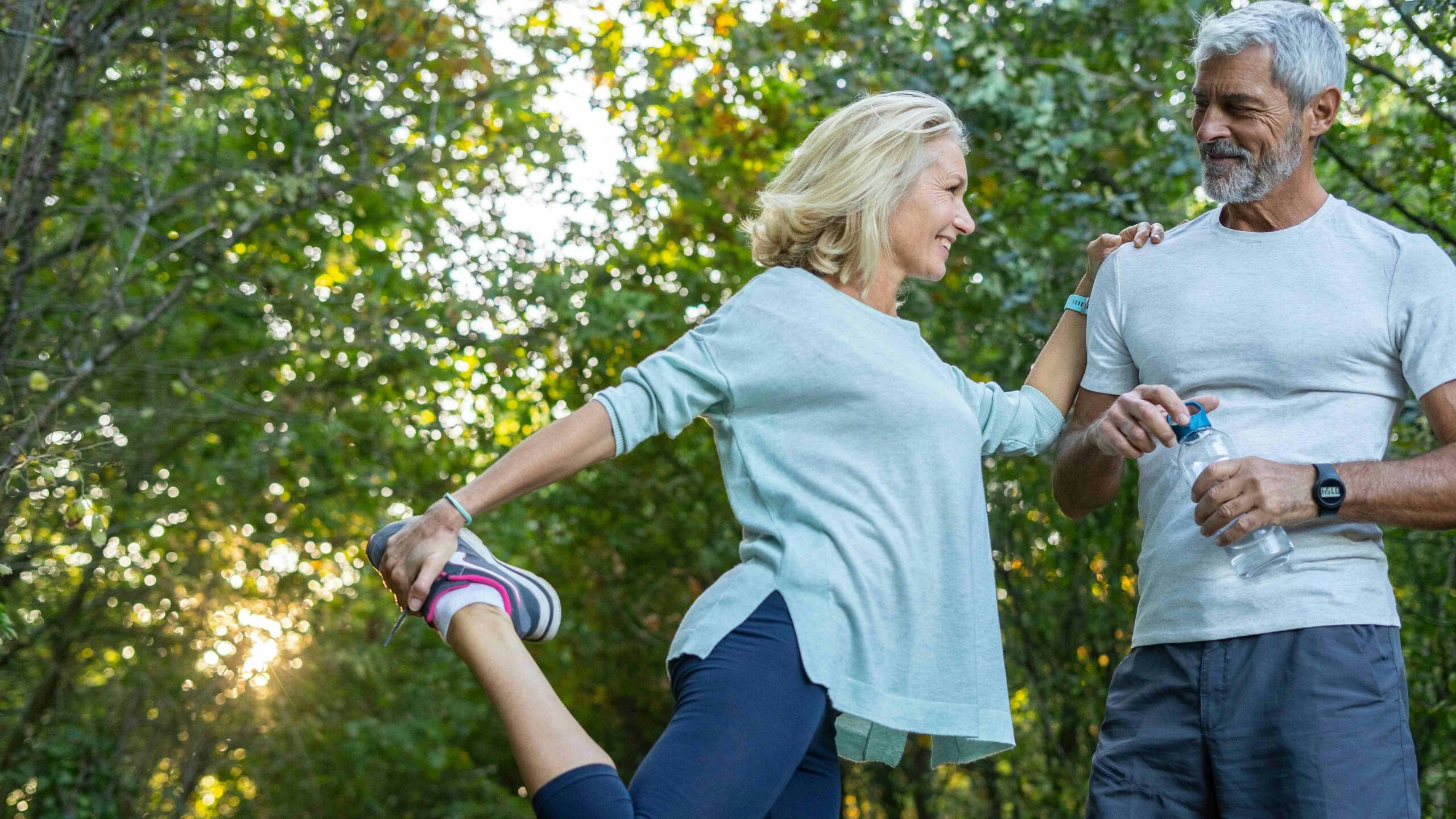
Warm up properly
Five to ten minutes of brisk walking and gentle mobility before you start can make all the difference. It wakes up your muscles and reduces the risk of injury.
Don’t obsess over pace
It can be tempting to compare yourself to your younger self, but try not to. Run by feel. Some days will feel effortless, others won’t. What matters most is showing up regularly.
Mix it up
Cycling, swimming, yoga or strength work all complement running beautifully. They keep your cardiovascular fitness up while giving your joints a break.
Fuel yourself well
Protein is increasingly important for muscle repair in midlife. Eat regularly, stay hydrated and don’t run on empty, especially if sleep has been disrupted by hormonal changes.
Listen to your body
A little stiffness is normal. Ongoing pain is not. Early action prevents prolonged injuries.
Remember why you’re doing it
Running in your 50s isn’t about proving anything. It’s about feeling strong, clearing your mind, protecting your bones and reminding yourself that your body is still capable of wonderful things.
Gina's running must-haves
www.mountainwarehouse.com
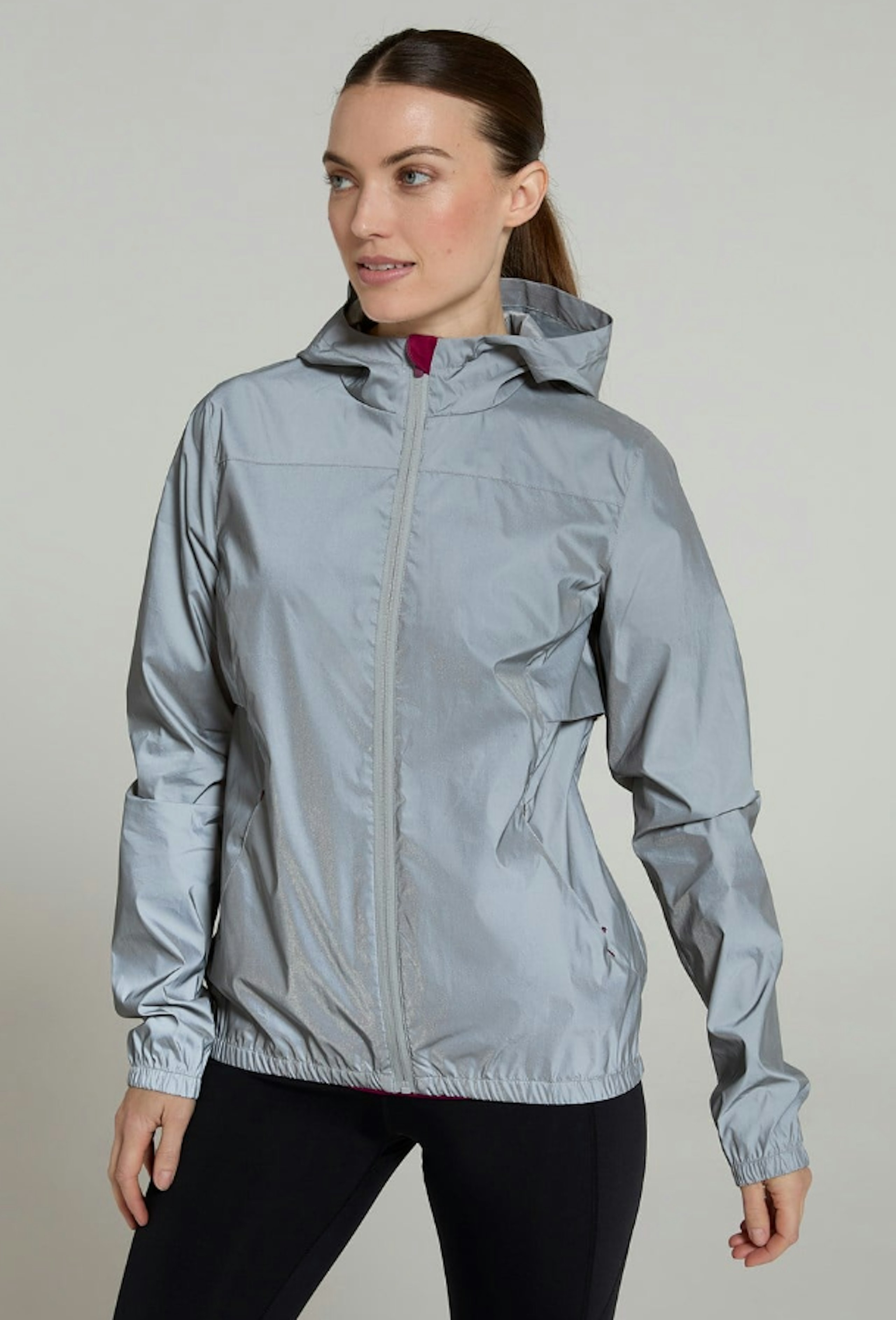
I loved this jacket when I was training in the winter as it boasts 360° reflectivity, which made me super visible in the dark. It’s also water-resistant with a soft microfleece-lined collar for comfort and features handy pockets and underarm vents to stop you overheating.
qlvr.com
Yes, this is a running trainer without laces! They’ve been specially crafted for women with a roomier toe box, higher arch, and a snug ‘wing fit’ closure. And they’re made from eco-friendly materials. Fans including Kelly Holmes and Davina McCall swear by them for staying injury-free. I found them super comfortable for running and when I was required to stand around for long periods of time.
www.underarmour.co.uk
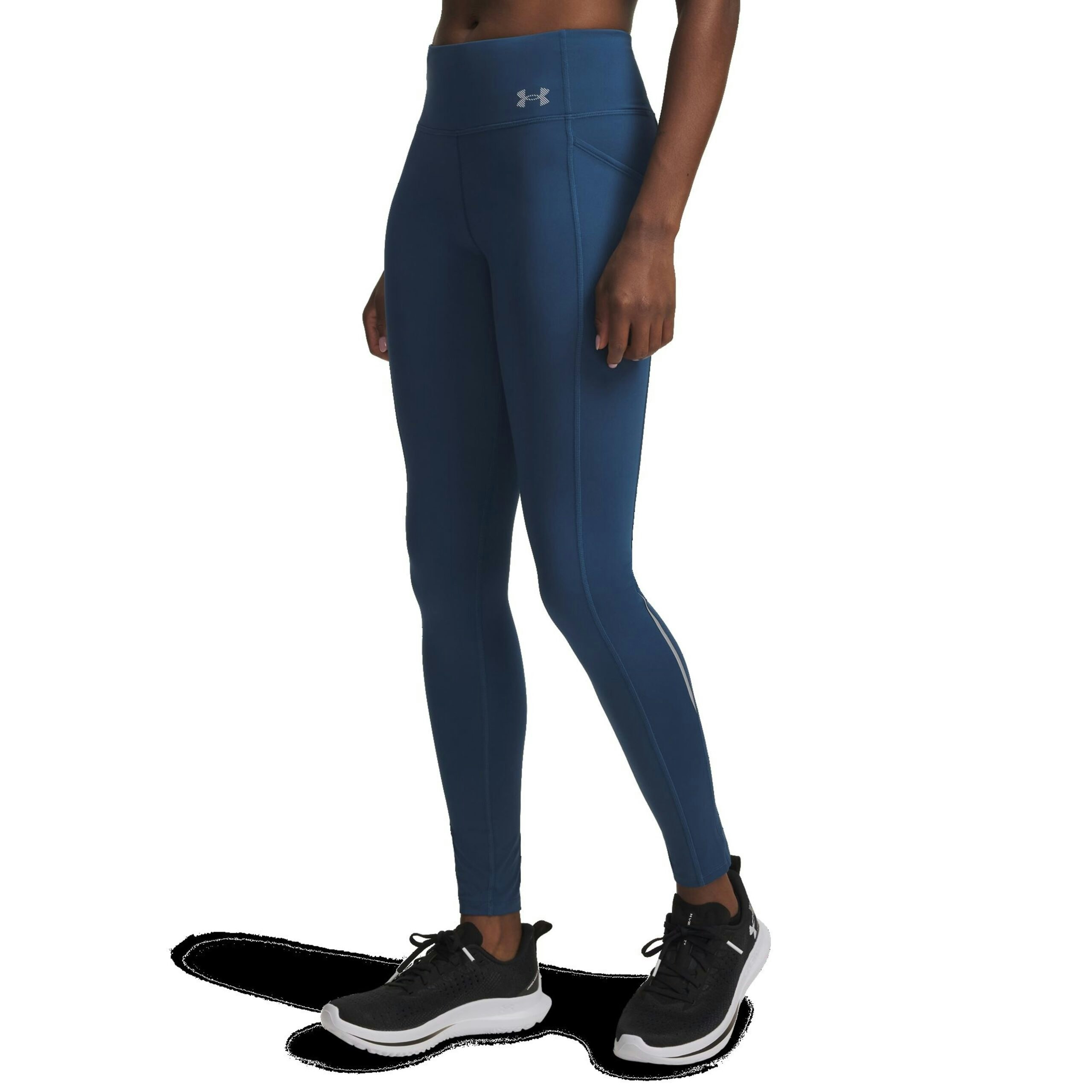
These leggings are super soft, feel supportive and look great. They’re sweat wicking, odour fighting and offer four-way stretch for the ultimate in comfort. I found the material lightweight but warm enough to wear throughout winter and the spring. They also feature handy side-drop in pockets and reflective taping. They’re available in sizes XS-XL in blue, black and grey.
puresport.co
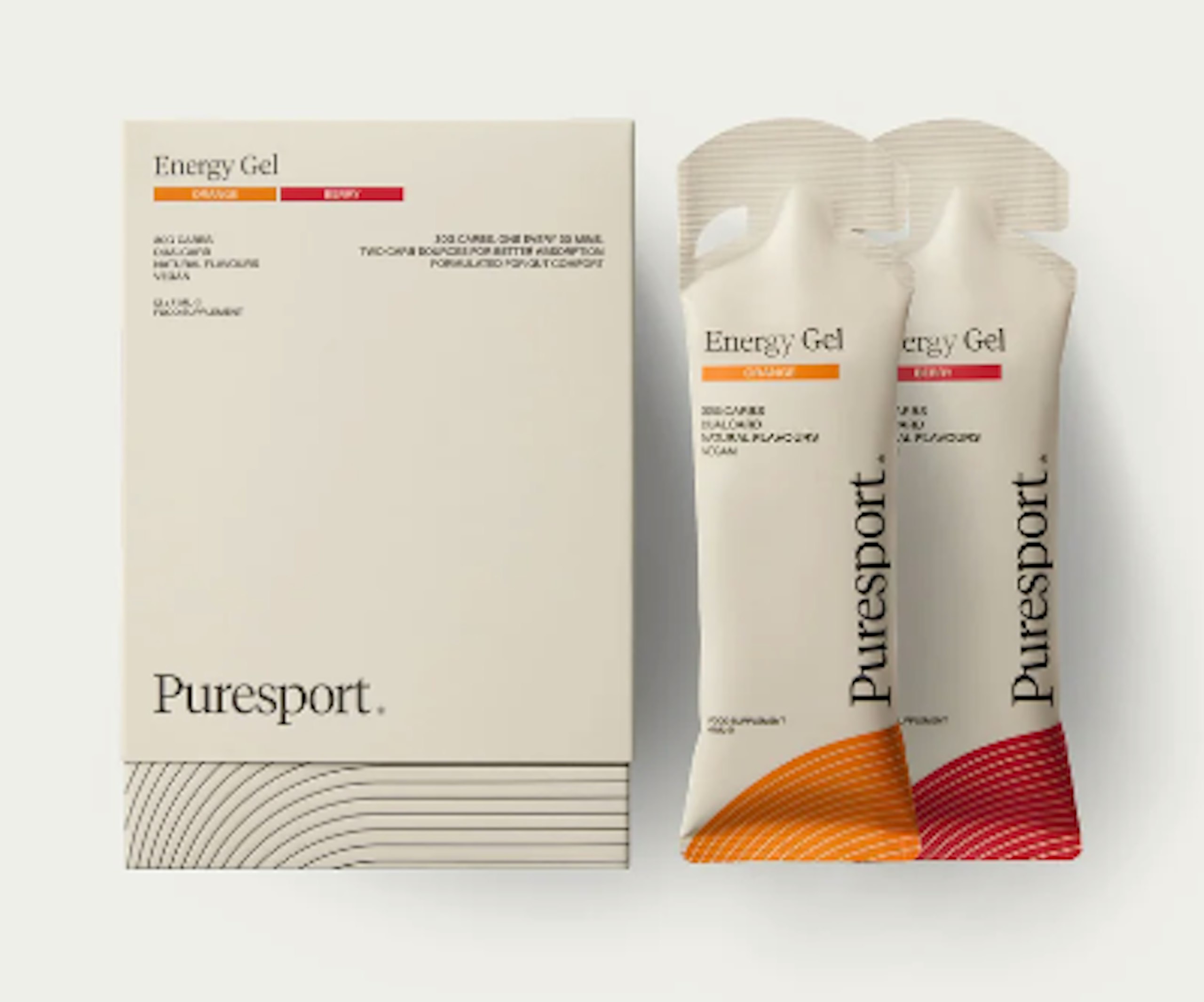
I rely on gels and electrolytes to boost my performance and recovery on longer runs. Puresport’s energy gels deliver 30g and are available in Berry and Natural Orange flavours, they’re easy to take on the move and made with natural ingredients. Pair them with the Ultra Electrolytes sachets (available in Raspberry Salt, Citrus Salt, and Watermelon Salt) to keep hydrated, support muscle function, and recover faster.
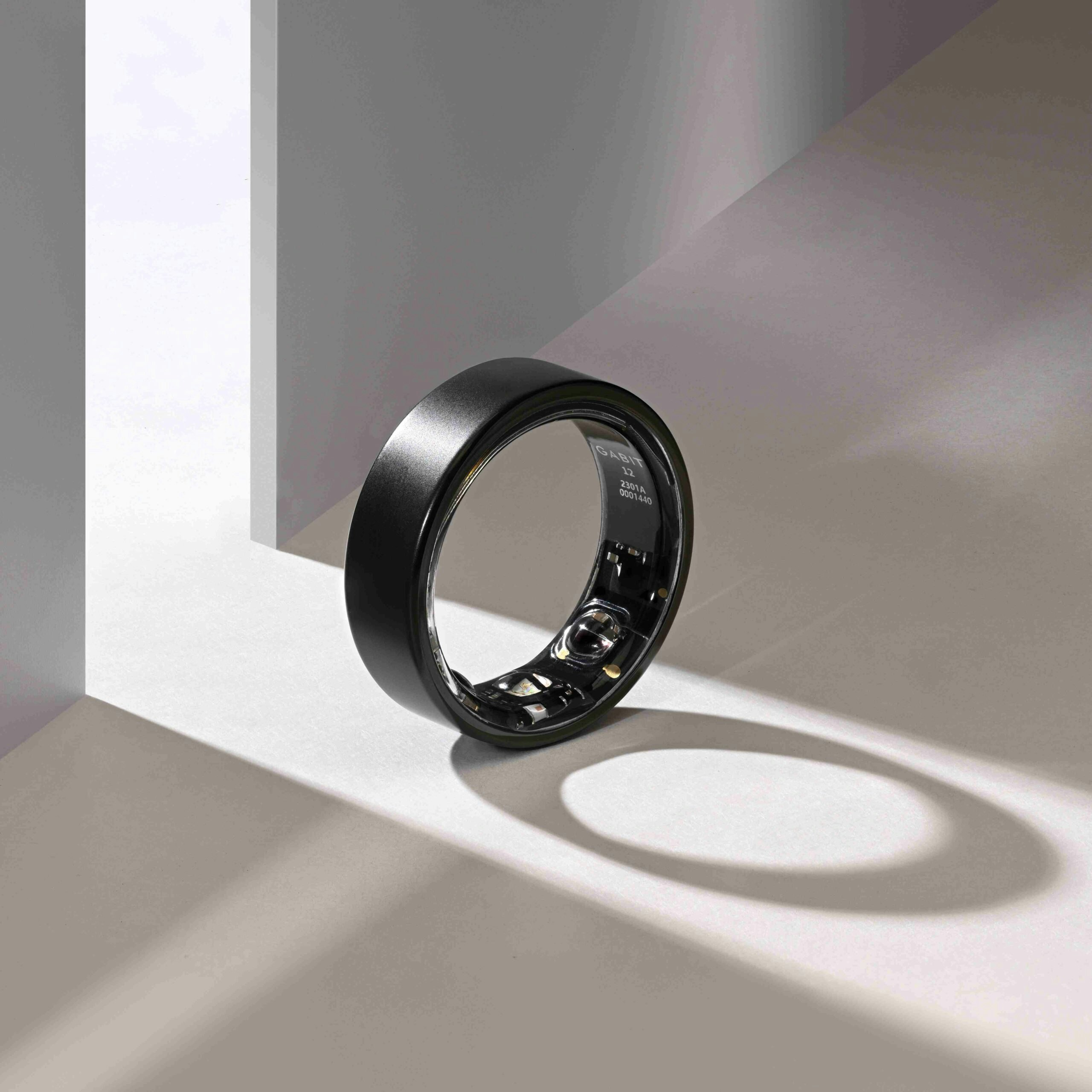
5. Gabit Ring
www.gabit.com
Much cheaper than the popular Oura Ring and with no costly subscription, this fitness tracker has been a game changer. I tried if for a month and found it a valuable for tracking my health and performance metrics such as heart rate, sleep quality, recovery, and activity levels – as my fitness improved with my training. Its lightweight, comfortable design makes it easy to wear throughout the day and night. With personalised data and trends it’s especially useful if you want a good overall picture of your health. It’s available in graphite black, matte black, matte silver and gold. A free sizing kit is delivered so you can find the best size for you.